Why mango wood is used for export furniture
Mango wood (Mangifera indica) comes from orchard trees that are harvested once their fruiting years are over, which makes it a by-product of agriculture rather than forest timber. It is a medium-density hardwood: strong enough for cabinets and tables, yet lighter than acacia or sheesham, which helps keep container weight and freight cost down.
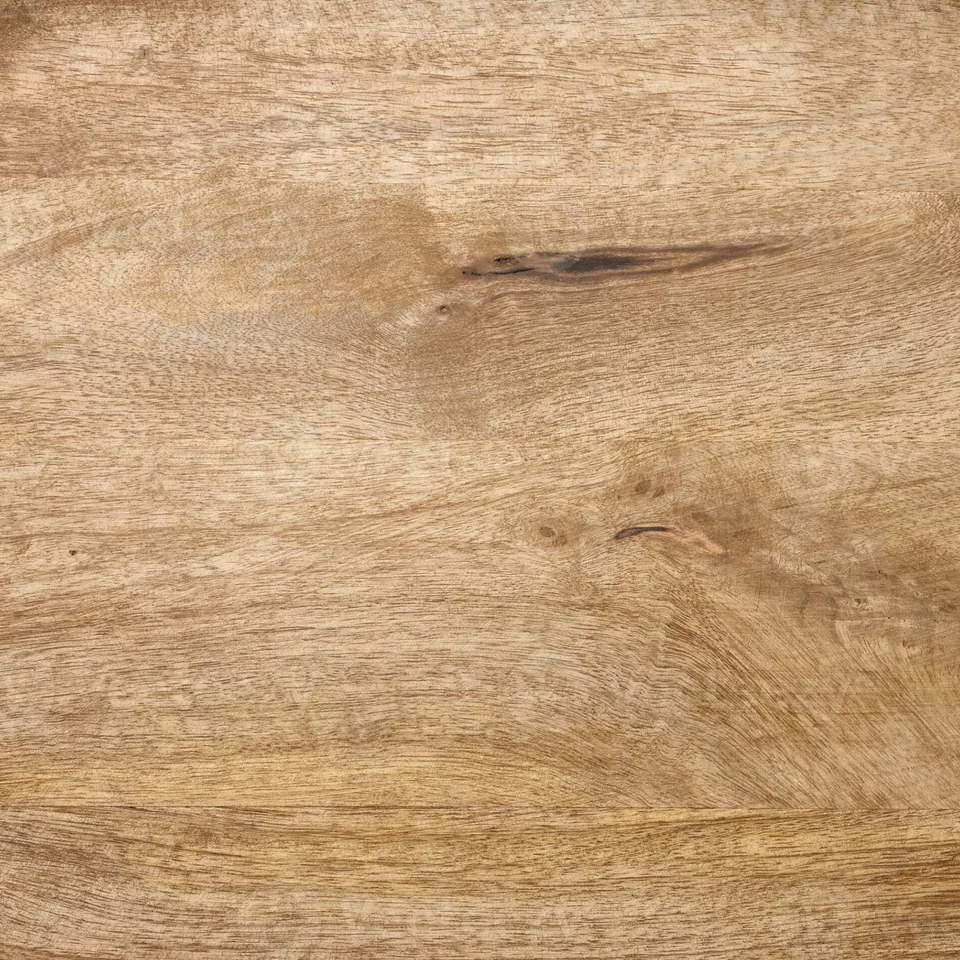
The grain varies from pale blond to pink-brown with occasional darker streaks. Because the surface takes stains and paints evenly, mango wood supports the widest finish palette in our range, from natural and greyed tones to deep walnut and painted colours.
What we manufacture in mango wood
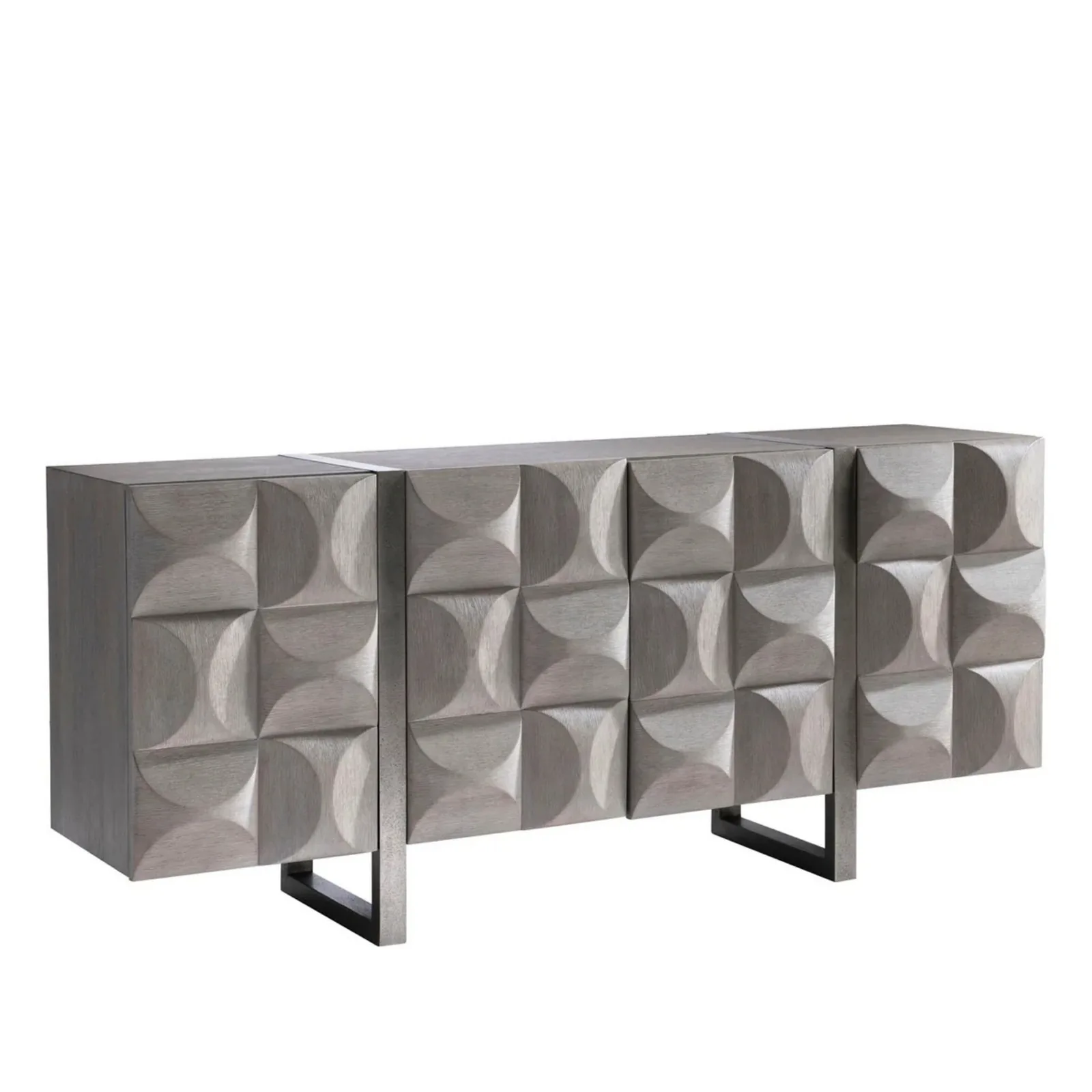
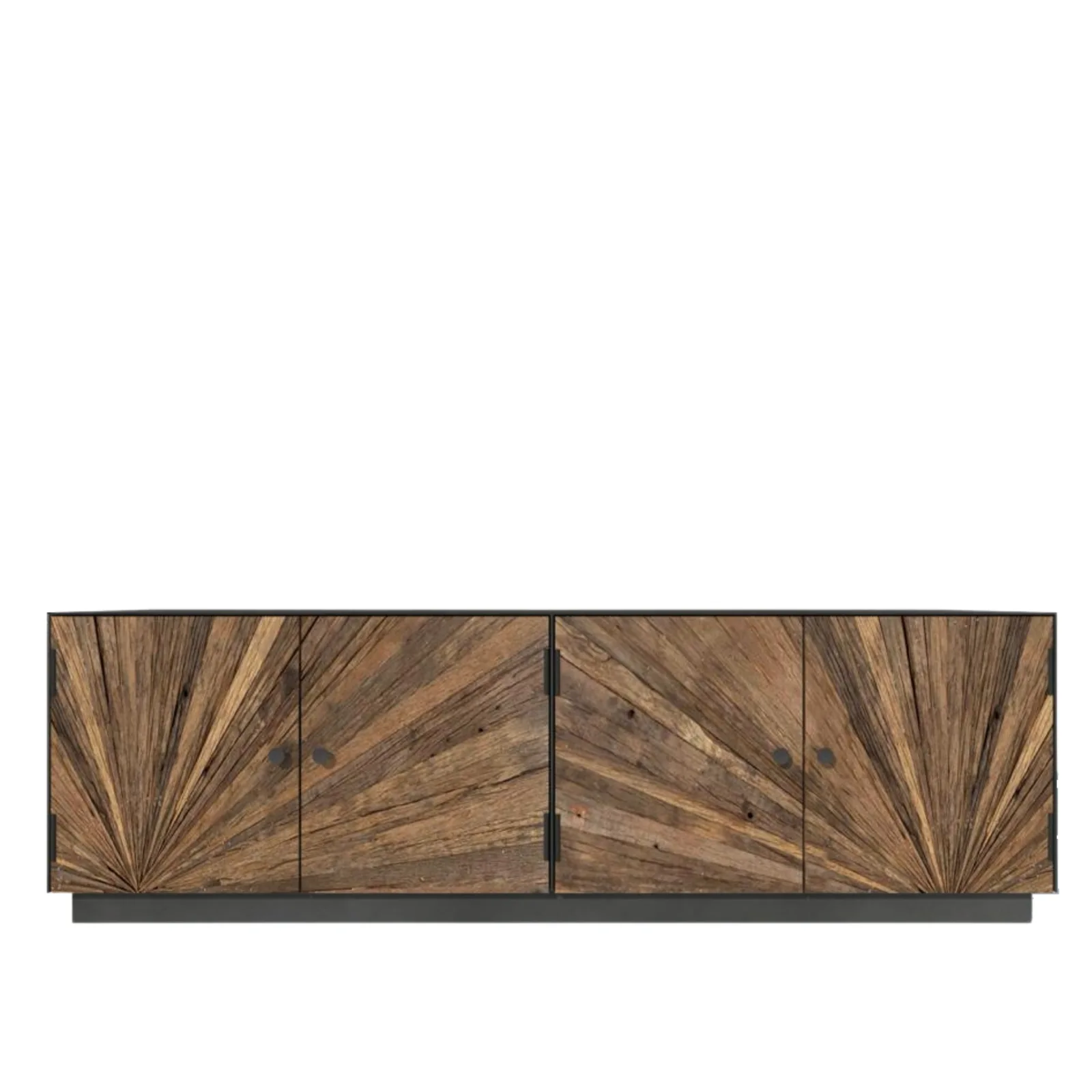
- Sideboards, buffets and credenzas with carved, fluted, chevron and sunburst fronts.
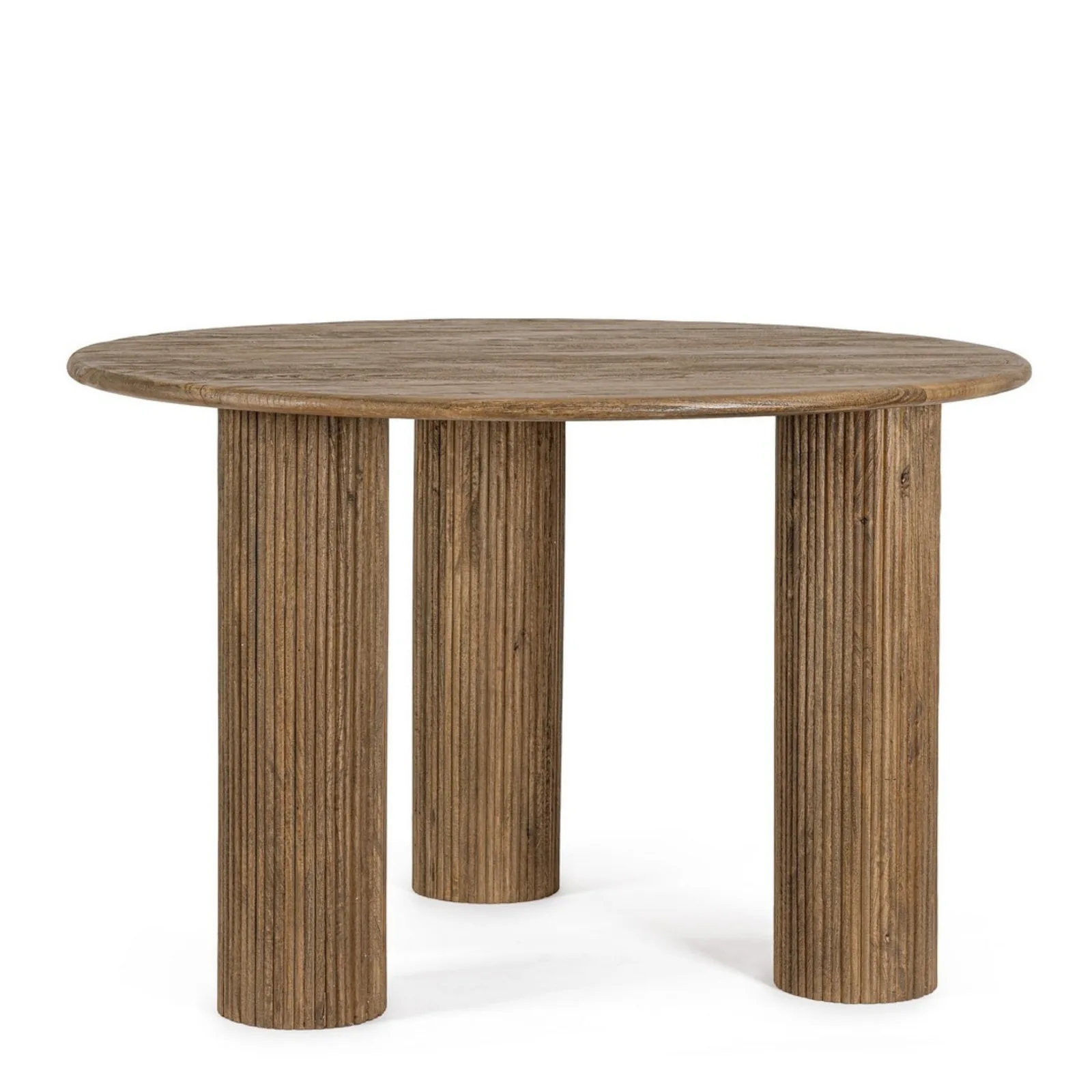
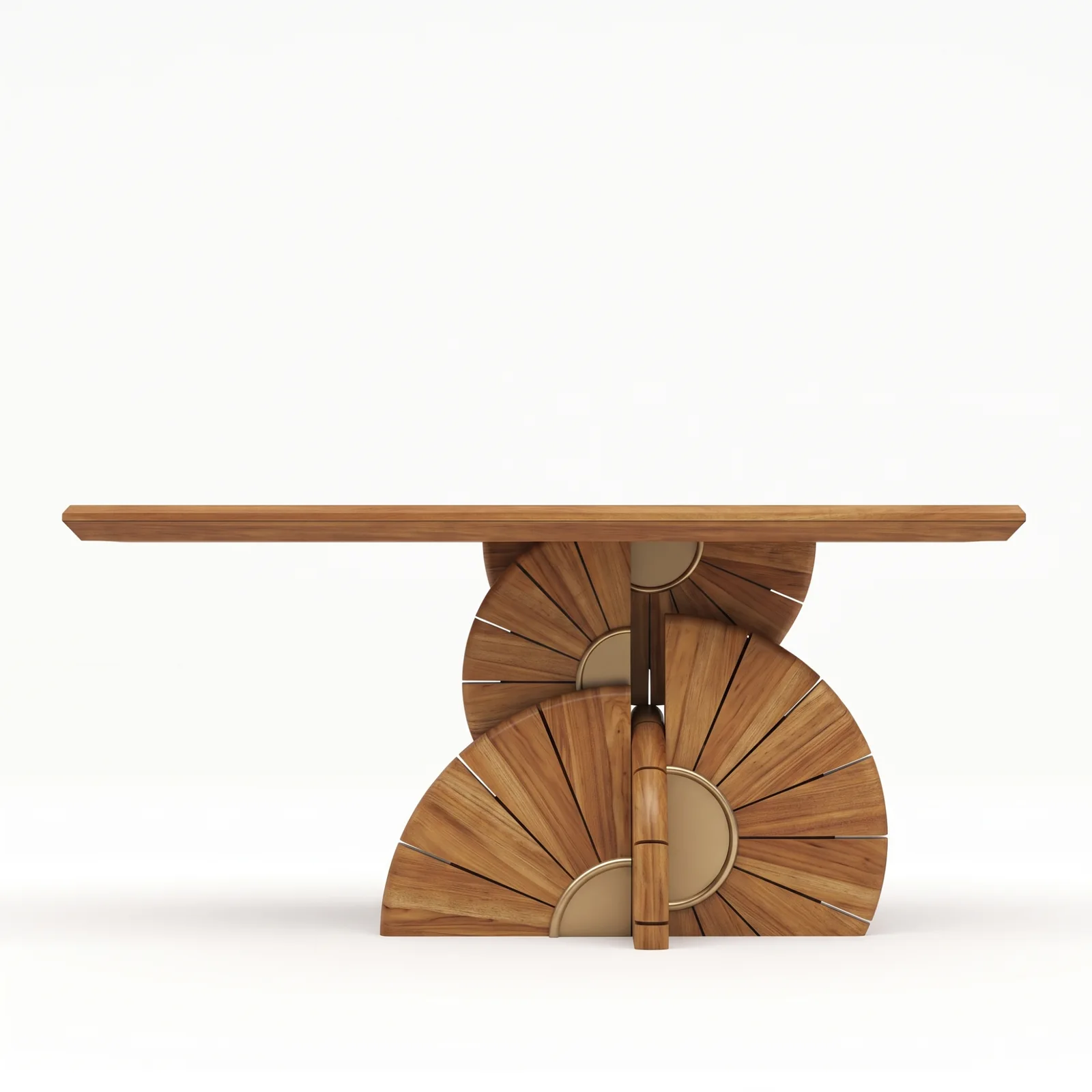
- Dining tables with pedestal, trestle and sculptural bases.
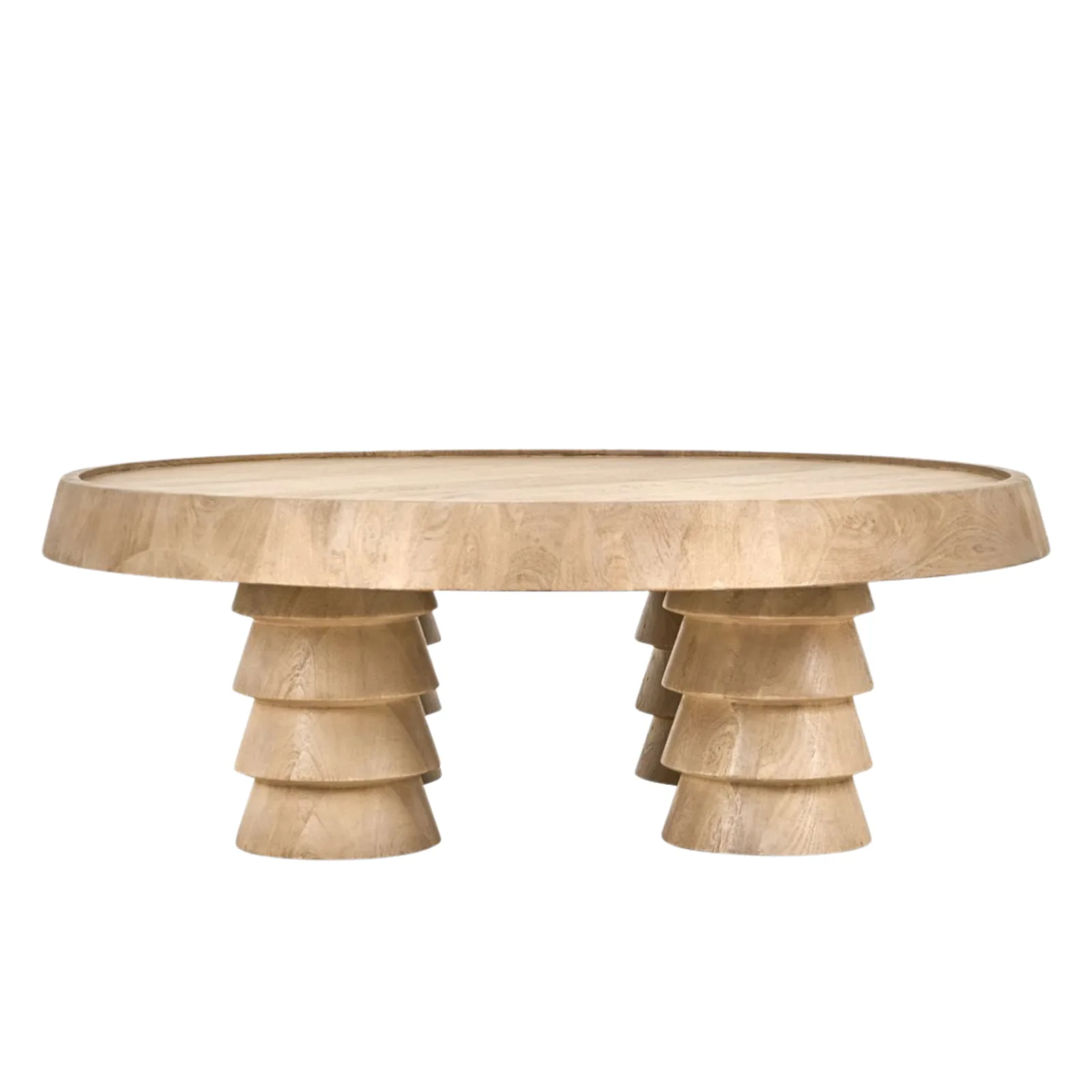
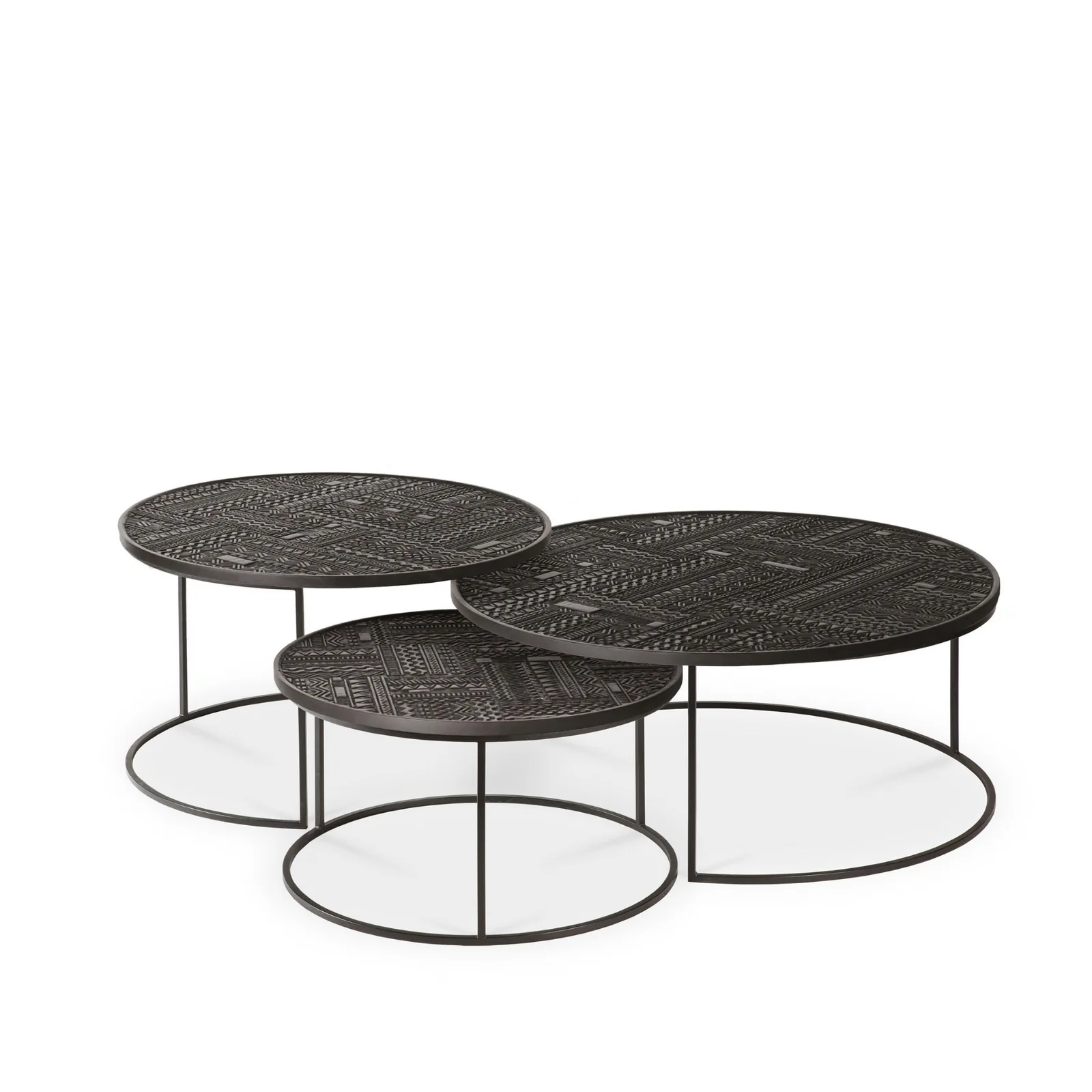
- Coffee tables and nesting tables, including industrial designs with mild steel frames.
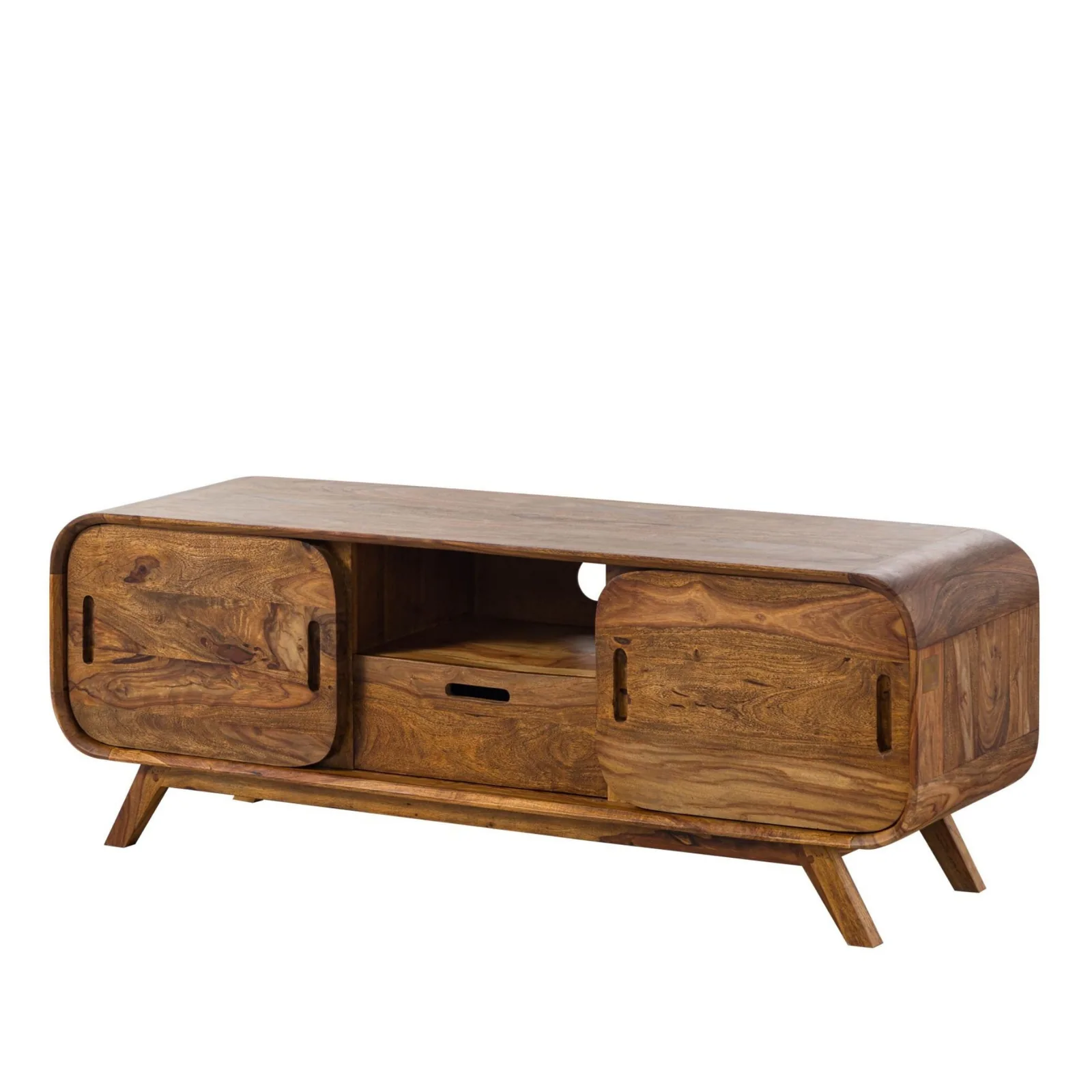
- TV units and media consoles, tall cabinets and display cabinets.
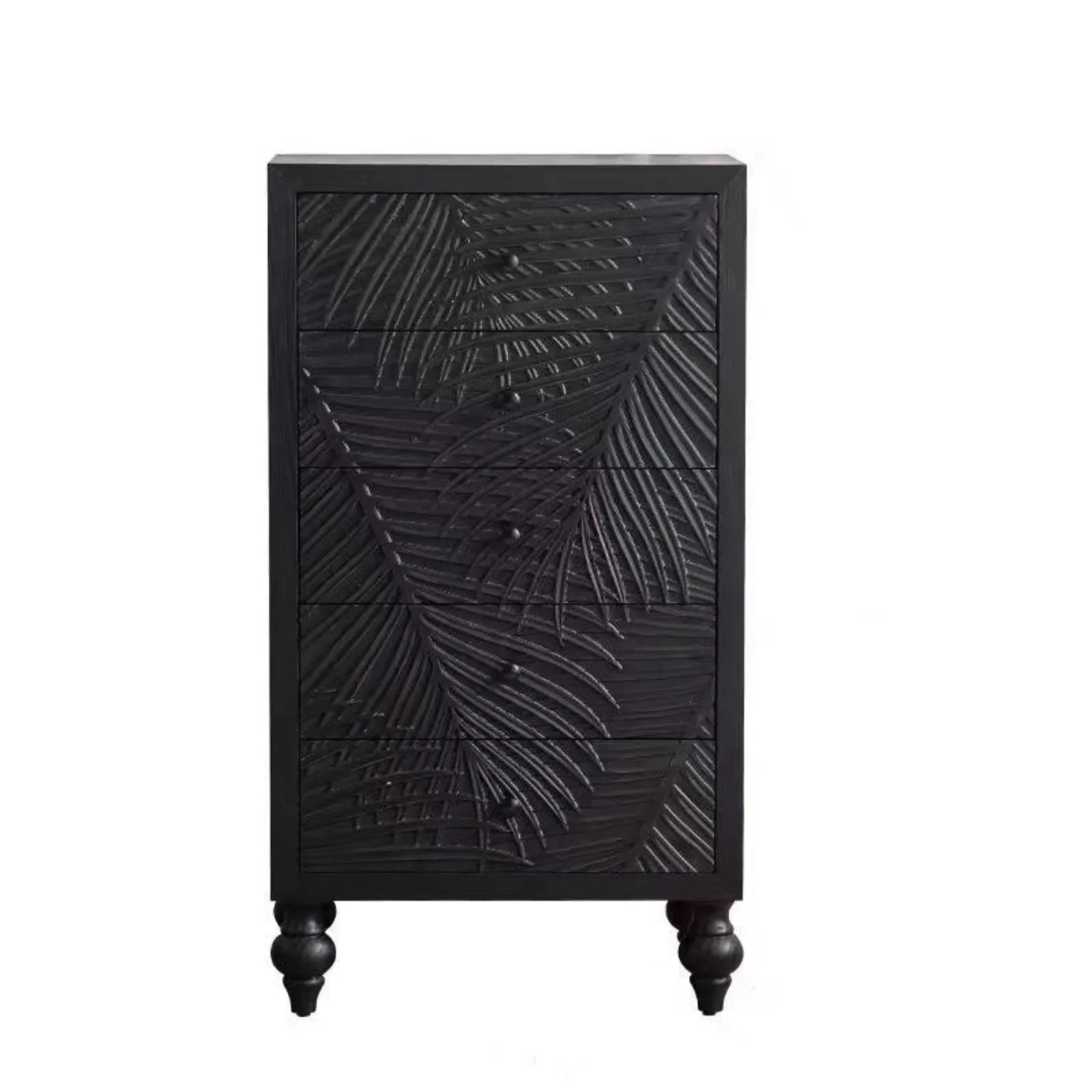
- Chests of drawers and dressers, bedside and end tables and console tables.
How we prepare mango wood in Jodhpur
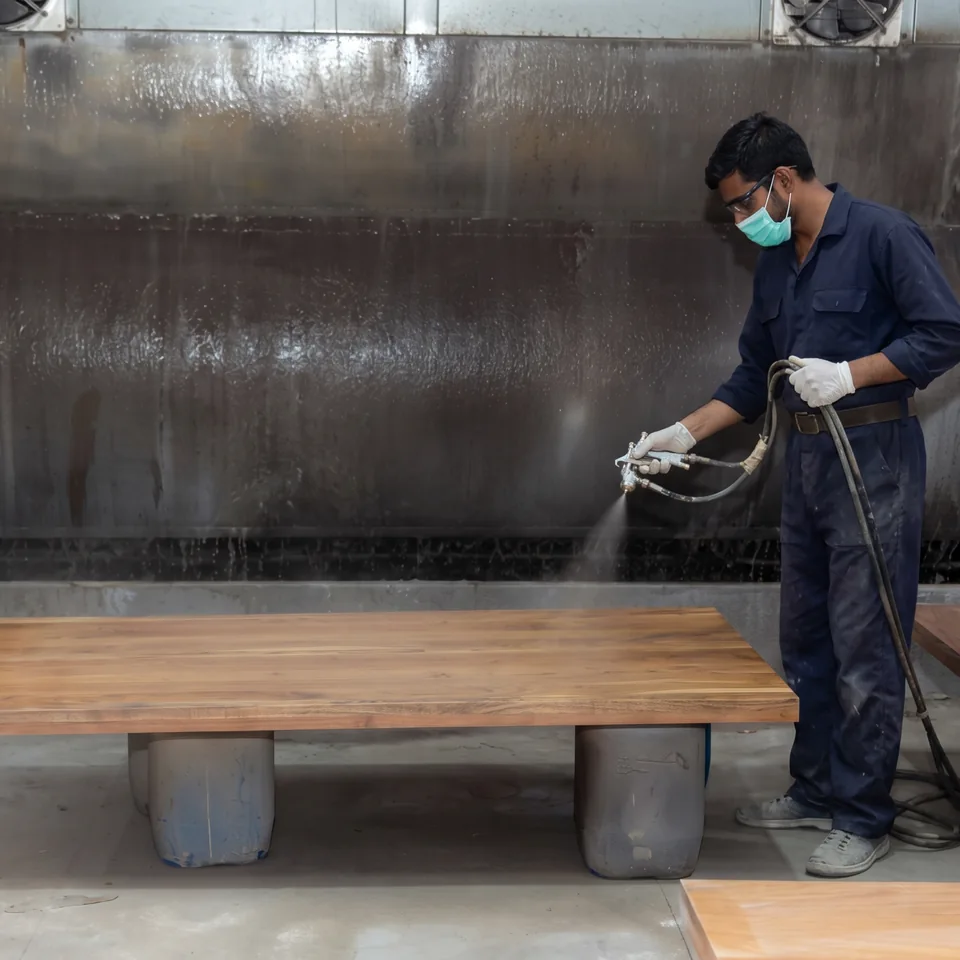
Timber is sorted, treated and seasoned before it reaches the workshop, and moisture is checked again before packing. Cutting, planing, joinery, hand carving, sanding and spray polishing are shown on our manufacturing page. Seasoning targets and construction details are discussed for the climate of your destination market, because solid wood continues to respond to humidity after delivery.
Mango wood for importers, wholesalers and retailers
Mango wood ranges are among the most requested solid wood furniture categories in the United States, the United Kingdom, Europe and Australia. We develop coordinated collections so a retailer can show one finish across a sideboard, TV unit, coffee table and console, and we plan the packing around store delivery, warehouse distribution or individual ecommerce dispatch. See our export-market pages for destination-specific points.